
Most of us will suffer at least one episode of back pain at some point in our lives, and this will usually resolve spontaneously with some over-the-counter pain relief. When back pain is persistent, severe or starts to impact on living it becomes necessary to seek medical attention.
There are a number of causes of back pain, including disc disease and arthritis, however in the majority of people no specific cause is found. While this can be frustrating, it is also reassuring that a sinister disease is not apparent.
There are a number of treatments for back pain, including learning about back pain, staying active, exercise and medications. The aims of treatment include:
- Managing pain
- Reducing time away from work
- Preventing the development of disability and dysfunction
- Minimising the psychological distress that frequently accompanies back pain
Very rarely, surgery can be used to treat back pain. However this will only be considered when:
- the cause of the back pain is known, for example, a slipped disc
- the potential benefits of surgery outweigh the risks
Treatment without surgery usually eases symptoms enough for you to get back to work and normal life. The aim of treatment is to ease pain, as getting rid of back pain completely can be hard.
Symptoms
Back pain can be constant or come and go. It can be worse with activity or with rest, come with certain movements, or have no clear cause. The different patterns of pain reflect the different causes.
Additional symptoms that may accompany pain include:
- Shooting pain down the legs or into the buttocks
- Numbness and tingling around the groin, buttocks and down the legs
- Weakness in the legs
- Changes to bowel or bladder function. This can include difficulty urinating or using bowels or alternatively incontinence. Some men also develop erectile dysfunction with their back pain.
There are a number of other symptoms that may accompany back pain, but these are usually related to causes of pain outside the spine.
Causes
There are a number of causes of back pain but in the majority of sufferers no cause is found.
Possible causes of low back pain:
- Vertebral joints and discs
- Slipped disc
- Facet joint syndrome
- Spinal canal stenosis (see Lumbar Spinal Stenosis)
- Ligaments in and around the spine
- Arthritis –
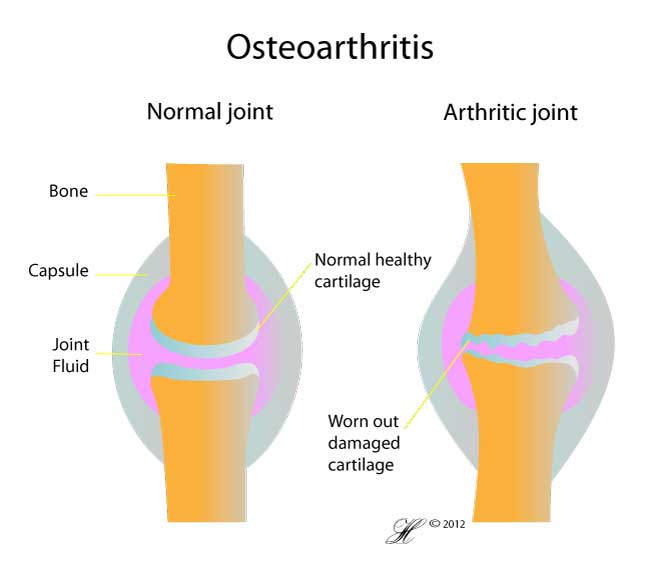
- Osteoarthritis can occur in the spine
- Other forms of arthritis, like rheumatoid arthritis, can also affect the spine
- Ankylosing Spondylitis can cause low back pain but more commonly causes stiffness
- Spinal Instability (see Spondylolisthesis)
- Spinal deformity
- Scoliosis
- Kyphosis
- Fractures & Trauma
- Crush fractures
- Referred pain – organs in the pelvis and lower abdomen can sometimes cause a sensation of pain in the back.
Rarely, back pain can be caused by more dangerous conditions, like infection and cancer.
If your doctor has assessed you and cannot find a cause, try to feel reassured – no sinister cause has been identified. From this step on, you can begin working on controlling the pain.
Risk Factors
Back pain is common, so common that it is arguable that any animal moving on two legs rather than four is at ‘high risk’ for developing back pain. This means all humans are at risk, however factors that may increase risk include:
- Work that involves heavy manual labour. Performing activities that involve twisting or over-stretching the spine may also increase the risk of developing back pain.
- Obesity and smoking – these may or may not increase your risk of developing back pain.
- Previous injury or pain in the spine or other joints involved in walking, especially the hips and knees
Interestingly, the risk of developing chronic low back pain is more related to psychosocial factors than to the cause of the back pain. For example, someone who dislikes their job and is very worried about their back is more likely to have long-term pain than someone who is hopeful and keen to get back to work.
Investigations
Your doctor will need to thoroughly examine your back and legs before deciding if any tests are necessary. He or she may assess the movements and feeling of your spine and legs, your reflexes as well as trying to pinpoint the site of your pain.
Possible tests may include:
- X-rays.
- Your doctor may ask for flexion-extension X-rays in addition to the standard X-rays. In these, you may need to bend forward or backward. These images can then be used to assess the stability and flexibility of your spine.
- Blood tests.
More sophisticated tests are ordered when your doctor is considering specific causes of pain.
- CT and MRI scans.
- Bone scan – this is a specialised test that identifies areas of bone that are undergoing lots of growth.
- Bone density scan. This scan is used to assess the weakness of your bones, and is often used to diagnose osteoporosis.
- Nerve conduction studies, EMG electromyography
Complications
Low back pain can make any movement at the spine painful, rendering normal activities like sitting or walking almost impossible.
Long rest when you have pain can make your muscles and joints weaker and stiffer. This can be a combination of:
- Deconditioning. Muscles that are not used regularly become weak and ‘lazy’. This softening of muscles leads to poorly balanced forces acting around the joints in the body.
- Joints that are not moved can become stiff and weak.
- Prolonged bed rest can lead to weakness in the bones. This usually only occurs after very long periods of reduced activity.
Treatment
Back pain can be incapacitating, and the urge to stop all activities and remain in bed can be very strong. While this is understandable, it is also very bad for your back and impairs your recovery.
There are four main points you should try to adhere to with back pain:
- Stay positive.
- If you are concerned by your pain or anything else, discuss things with your family, friends or doctor. It is normal to be distressed by pain, even when your doctor has reassured you that there is no identifiable cause. Rely on your loved ones to be empathetic.
- Pain is also an emotional experience. Pain signals link with the parts of the brain that handle feelings. Addressing and relieving anxiety and distress is therefore an important part of treating chronic pain.
- Stay active.
- Bed rest for more than a few days after your initial injury is bad for your back and can lead to chronic weakness and dysfunction in your spine.
- Activities keep you feeling healthy and well, in addition to provoking healing and altering your perception of pain.
- Return to work as early as possible. Keeping your mind busy can prevent you from over-worrying and can provide support. It also prevents the growing difficulty of readjusting to work that occurs after long absences.
- Try simple things first.
- For most people, staying active and doing exercise are the best ways to manage pain. Medicines from the chemist help only a little.
- Try to use the lowest dose of medication possible to control your pain, rather than taking large doses.
- Prevent further injury.
- Follow safety rules at work. Keep moving, and build up slowly to bending and lifting rather than avoiding them. Back braces, lumbar supports and shoe inserts are not advised for low back pain.
- Don’t take shortcuts.
- Stay fit and maintain the strength in your abdominal muscles.
Most expert guides agree that learning about back pain, staying active and exercising all help low back pain.
People with severe obesity who lose weight after weight loss surgery often have much less back pain. Losing weight takes pressure off the discs in the lower back.
Activity, Exercise and Physical Therapy with Back Pain
Exercise of any kind may be uncomfortable initially, but will help to maintain the strength and function of your muscles. Remember that your body is designed to move, not to lie still.
Exercises for low back pain may involve:
- Postural training.
- Abdominal muscle strengthening
- Reconditioning and increasing fitness with regular, low-stress aerobic exercise
Additional methods of controlling your pain include:
- Heat packs – applying warmth to your back can reduce pain
- Similarly, cold packs can be used
Things you should avoid:
- Prolonged bed rest
- Intense massage – while massage can be beneficial for lower back pain, intense massage performed by an untrained individual can be dangerous.
If your work requires physical activity, especially lifting, you should talk to your manager or OH&S advisor. In addition, you should be able to discuss correct ‘technique’ for lifting that uses your thighs and legs rather than your back.
Medications for Low Back Pain
Medicines can take the edge off back pain, but most help less than people expect. Staying active and keeping to your normal routine help most people recover. Anti-inflammatory tablets, such as ibuprofen, help a little. Paracetamol did not help back pain more than a dummy tablet in good trials. Opioids, muscle relaxants and antidepressants help little and have more side effects.
Talk to your pharmacist or GP before starting a medicine, and see your GP if your pain is not settling. For more detail, see Medications for low back pain and the Does it work? pages on each medicine.
Surgery for Persistent Back Pain
Spine fusion surgery and disc replacement are not advised for ordinary low back pain. Surgery is only an option in certain people with a clear cause for their pain. Options for surgery include:
- Spinal fusion surgery for specific problems, such as a slipped vertebra
- Disc surgery to trim a disc that is pressing on a nerve
- Spinal decompression surgery
Seeking Advice
Your Family Doctor (GP)
Your GP (family doctor) can find out what is wrong and help treat it. Your GP can
- tell you about your problem
- tell you the best ways to treat it
- give you medicine if you need it
- send you to a specialist if you need one
When should I see my doctor?
If pain keeps getting worse and affects your daily life and work, see your GP to talk about ways to manage it.
If you’ve had back pain for many years and notice it suddenly changes, for example dull aches become sharp, or are accompanied by significant weight loss, you should see your doctor.
If you have the following symptoms, try to see your local doctor as soon as possible:
- Your bowel or bladder function has changed recently. In particular, if you seem to be losing control of your urine or your groin becomes numb see your doctor.
- You seem to be losing control of walking
- Your pain is present or worse at night time, and in particular if your pain is waking you.
- You wake up sweating profusely, have unexplained fevers of weight loss
- You have a past history of smoking or cancer
Prevention
General prevention:
- Maintain a healthy weight.
- Maintain the strength in your torso and legs, in particular your abdominal muscles.
- Stay active, even if you engage in low-stress activities like walking for 30 minutes a day, 3 times a week.
- Avoid footwear that alters your walking pattern, especially high-heeled shoes.
If you are at risk of developing weak bones or osteoporosis, you should see your GP. Risk factors include being female and post-menopausal.
Keeping up the exercise program from your physio can help stop back pain coming back.
Prevention in the workplace:
- Lifting & carrying objects
- You can protect your back by lifting heavy objects with your legs rather than your spine. To do this, stand with your feet shoulder-width apart, then keep your back straight as you bend your knees and hips to grasp the object. When you stand, your back should remain vertical while your legs, in particular your strong quadriceps in your thighs, push you upright.
- When carrying objects, try to hold your load as close to your chest as possible.
- Sitting down. When sitting for long periods at a desk or computer you can protect your back by:
- Maintaining a straight posture. Your lumbar spine is supported when you feel a slight inward curve along your lower back rather than the outward curve you get when you slouch. Some people can visualise this by thinking of a balloon on a string gently lifting their head up.
F.A.Q. | Frequently Asked Questions
How long will it last?
Most back pain gets a lot better within a few weeks. It often comes and goes over the years. That is normal and does not mean something is badly wrong.
Should I rest in bed?
No. Bed rest makes back pain last longer. Keep moving as much as the pain lets you, even if it is uncomfortable at first.
Do I need a scan?
Usually not. Scans of people with no pain at all very often show worn discs and other changes. So a scan often finds something that is not the cause of your pain. Scans are useful when there are warning signs, or when surgery is being planned.
Does a worn disc on my scan mean my back is damaged?
No. Disc wear is like grey hair. It is very common as you get older, and most people with it have no pain.
When should I go to hospital straight away?
Go to your nearest emergency department if you have numbness between your legs or around your bottom, cannot pass urine or cannot hold it, lose control of your bowels, or both legs feel weak. These can be signs of cauda equina syndrome.
Is my back pain caused by a slipped disc?
Most back pain is not. In most people no single cause is ever found. That sounds unsatisfying, but it is good news, because pain without a clear cause usually settles.
Will I end up needing an operation?
Very few people with back pain do. Surgery helps leg pain from a trapped nerve far more than it helps back pain on its own.
What can I do today?
Keep moving. Walk a little and often. Take simple pain relief if you need it. Try to sleep well. Go back to your normal routine sooner than feels comfortable.
In the News
Does it work?
Does it work? Evidence for back and sciatica
What the research shows for the treatments people try for low back pain and sciatica.
- Do heat and ice work for low back pain? Probably helps a little, for heat. Not enough evidence for ice.
- Does spinal manipulation work for chronic low back pain? Probably helps a little.
- Do back braces and lumbar supports work? Probably does not help.
- Does bed rest help low back pain? Probably does not help.
- Does acupuncture work for chronic low back pain? Probably helps a little.
- Does yoga work for chronic low back pain? Probably helps a little.
- Does massage work for low back pain? Not enough evidence yet.
- Does bracing work for scoliosis in teenagers? Good evidence it helps.
- Do epidural steroid injections work for sciatica? Probably helps a little, for a short time.
- Does pregabalin work for sciatica? Probably does not help.
- Do anti-inflammatory tablets work for chronic low back pain? Probably helps a little.
- Do opioid painkillers work for low back pain? Probably does not help.
- Does disc surgery work for sciatica? Probably helps a little, for a short time.
- Do muscle relaxants work for low back pain? Not enough evidence yet.
- Does paracetamol work for sudden low back pain? Probably does not help.
References
- McKenzie BJ, Haas R, Ferreira GE, Gorelik A, Cyril S, Han JX, Gilbert S, Grobler L, Maher CG, Buchbinder R. Agreement between high-quality clinical practice guidelines in their treatment recommendations for low back pain. A systematic review. Spine J. 2025, 25(12), 2587-2604. PMID 40639620.
- Aboushaala K, Ibrahim O, Ahmed N, Aboushaala R, Patel SN, Ward SO, Savoia A, Westrick J, Juarez L, Hilton S, Skertich N, Spagnoli A, Torquati A, Omotosho P, Singh K. The effects of metabolic and bariatric surgery on spinal alignment, radiological, and clinical outcomes in morbidly obese patients with LBP. A systematic review and meta-analysis. Spine J. 2026, 26(5), 968-980. PMID 41093066.
- Brotzman, S. B., ‘Chapter 9: Low Back Injuries’, in Clinical Orthopaedic Rehabilitation, 2nd Ed, by S. B. Brotzman & K. E. Wilk (Eds), Mosby Inc, 2003, Philadelphia, USA, pp 555–599.
- Mercier, L. R., ‘Practical Orthopaedics’, 6th Ed, Mosby 2008, Philadelphia USA.
